The Power of Online Communities in the Age of AI: Why We’re Building GTM Society
You have more AI tools than you know what to do with. ChatGPT writes your cold emails in seconds. Clay enriches thousands of leads overnight. LinkedIn automation tools scrape profiles and send connection requests while you sleep. You can build an entire outbound motion in a weekend using free trials and YouTube tutorials.
So why does GTM work feel more isolating now than it did five years ago, when you had fewer tools and slower processes?
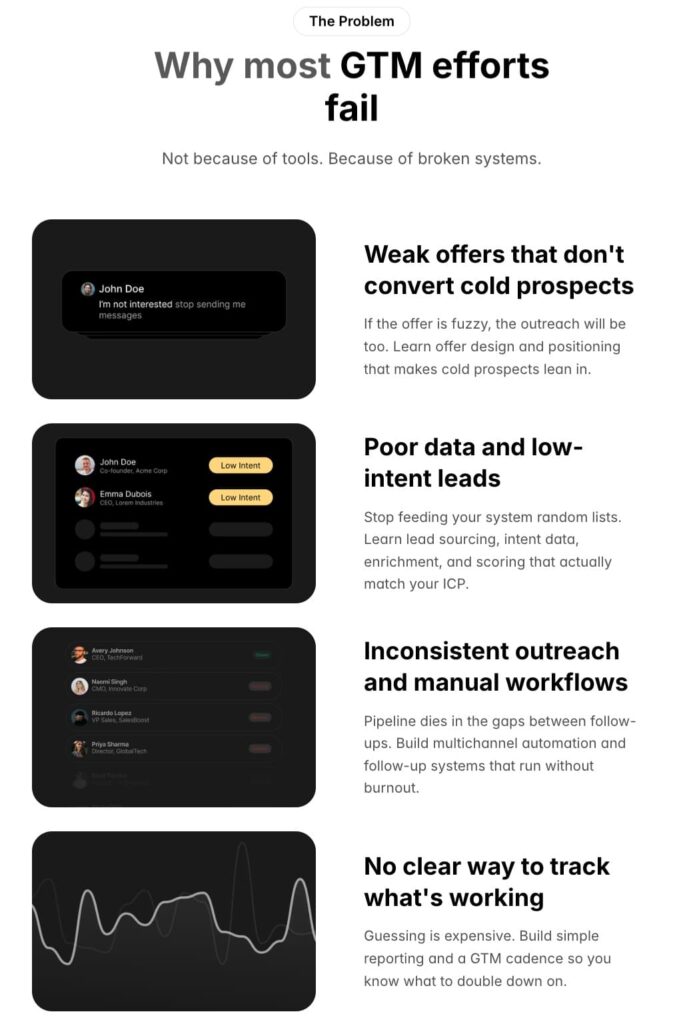
Because AI gives you answers, but it doesn’t give you context. It can generate a perfect cold email template based on best practices from 2024, but it can’t tell you that everyone in your industry started using that exact approach three weeks ago and prospects are already ignoring it. It can automate your outreach, but it can’t tell you whether the problem is your messaging, your targeting, or the fact that LinkedIn just changed how they filter connection requests and nobody’s getting through anymore.
You’re working on distributed teams where everything happens async, which means you’re testing new tactics in isolation with no one to reality-check whether you’re about to waste three months on something that doesn’t work. You read blog posts about strategies that worked six months ago. You take courses from people who haven’t run a cold campaign since 2022. You watch LinkedIn influencers share tactics that sound amazing in theory but fall apart when you actually try to implement them with real prospects who have real spam filters.
GTM professionals are drowning in tactics but starving for real conversations with people who are solving the same problems they’re facing right now. You need someone to tell you what’s actually working this week, what just stopped working yesterday, and what you should test next before you burn another thousand leads figuring it out yourself.
This is why online communities have become essential infrastructure for anyone doing GTM work in 2026, and why we’re building GTM Society. This is not another Slack group that launches with hype and dies in three months, not another networking group where everyone promotes their services and nobody shares what actually works. This is a structured community where GTM engineers, sales professionals, lead gen specialists, and marketers learn from each other in real time because that’s the only way to stay relevant when everything changes every quarter.

Why Online Communities Are Key in a World of AI
When you ask ChatGPT how to write a cold email, it gives you a perfectly structured template based on patterns it learned from millions of emails across the internet. When you ask your community the same question, three people tell you they tested that exact template last month and it got 2% reply rates because everyone’s prospects have seen it fifty times already, then someone else shares the approach they’re testing now, which is getting 18% replies because it breaks the pattern prospects expect.
Modern GTM work is lonely in ways it didn’t used to be. You’re on distributed teams where everything happens async, which means you can go weeks without having a real conversation about whether your strategy makes sense or if you’re completely off track. You test new tactics in isolation, burn through hundreds of leads trying to figure out what works, and by the time you realize your approach isn’t converting, you’ve wasted a month and need to start over.
Communities create pattern recognition at scale. When one person tells you a tactic works, that’s interesting. When fifteen people in your community are testing the same approach and twelve of them are seeing results, that’s signal you can actually trust. You learn faster because you’re not just relying on your own experiments; you’re learning from a hundred people running parallel tests across different industries, different prospect types, different market conditions.
In practice, it looks something like this: AI-generated emails work great in theory because they’re personalized, they reference specific details from prospects’ profiles, and they sound natural instead of templated. But when you actually run them at scale, you discover that prospects can tell they’re AI-generated within three seconds because they all follow the same structure and use the same phrasing patterns. You find this out after burning through 500 leads and getting 8 replies.
Or you join a community where someone posted last week that their AI-generated emails tanked after the first 200 sends because prospects started pattern-matching the format. They tested a different approach where they use AI to research prospects but wrote the actual emails manually in their own voice, and their reply rates went from 3% back up to 14%. You save yourself three weeks of testing and 500 wasted leads because you learned from someone else’s experiment instead of running the same one yourself.
That’s why communities matter more now than they did five years ago. The tactics change faster, the tools change faster, and the only way to keep up is by learning from people who are testing in real time alongside you instead of waiting for someone to write a blog post about what worked six months ago.

What Makes Communities Powerful in 2026
Communities solve four problems that no amount of AI tools, courses, or blog posts can fix on their own.
Real-Time Learning
The GTM playbook that worked in Q1 is already stale by Q3. LinkedIn changes how they filter connection requests. Prospects start ignoring email sequences that worked last month because everyone copied the same template. Your reply rates drop from 15% to 4%, and you have no idea what changed because the blog post you followed was written eight months ago.
Communities update in real time because someone in your group is testing the same tactics you are right now, hitting the same walls you’re about to hit, and figuring out the workarounds before you waste weeks doing it yourself. You get “what’s working now” instead of “what worked six months ago when someone wrote this case study.” That time compression matters when tactics have a shelf life measured in weeks, not years.
Peer Validation and Trust
You trust practitioners over people selling courses about tactics they haven’t personally run in three years. When someone in your community says, “I tested this approach last week and here are my actual results with screenshots,” you believe them because they have nothing to sell you and everything to gain from honest feedback that helps them improve their own process.
This creates a shift in how you evaluate new tactics. Instead of “I read this in a blog post from a guru,” you think “, Three people in my community are doing this and seeing results, so it’s worth testing.” The social proof comes from people doing the work alongside you, not from someone with a blue checkmark who monetizes their audience by promoting whatever tool pays them affiliate commissions.
Cross-Functional Perspective
GTM engineers see what sales teams are struggling with when they try to implement the automations that looked perfect in theory. Sales professionals learn what marketing is testing and why certain campaigns generate better-quality leads than others. Lead gen specialists share what messaging is actually getting through the noise versus what gets filtered or ignored.
The magic happens at the intersections between these perspectives. Your sales team knows prospects are asking the same three objections in every discovery call, but they don’t know how to adjust the messaging earlier in the funnel to address those objections before the call even happens. Someone from marketing in your community shares how they repositioned their messaging to preemptively handle objections and cut their sales cycle by two weeks because prospects show up to calls already educated. You take that insight, apply it to your process, and immediately see better conversion rates because you learned from someone in a different function who solved the same problem from a different angle.
Career and Network Leverage
Communities are where opportunities actually live. The job you didn’t know existed. The partnership that turns into your biggest channel. The referral that becomes your best client. Your next hire, who’s already vetted by people you trust because they’ve been actively contributing to the community for six months.
You’re not building a network in the abstract sense where you collect LinkedIn connections and hope something happens eventually. You’re building relationships with people who see your work, understand your expertise, and know who to connect you with when opportunities come up. Your next co-founder is probably already in your community. Your next big client is probably watching how you answer questions and solve problems before they ever reach out.
Why We’re Building GTM Society
Expandi exists to help GTM teams scale smarter with the right tools and tactics, which means we spend a lot of time talking to people running outbound campaigns, building automation workflows, and trying to hit pipeline targets with distributed teams. The same problem keeps coming up in every conversation.
There’s no single place where GTM engineers, sales professionals, lead gen specialists, and marketers can learn from each other in real time. You’re either stuck in vendor communities that exist to promote products, course communities that die after the cohort ends, or LinkedIn groups where everyone posts their content but nobody actually helps each other solve problems.
We believe the best GTM strategies come from collaboration, not isolation. When you’re testing new tactics alone, you waste weeks figuring out what everyone else in your space already knows doesn’t work. When you’re part of a community where people share what they’re testing and what’s actually converting, you compress months of trial and error into days of focused execution.
This is why we’re building GTM Society, not just launching another Slack group that turns into a ghost town in three months. We’re building a structured, high-signal community designed for practitioners who are doing the work, not watching from the sidelines. This isn’t a vendor pitch fest where everyone promotes their services. It’s a space for honest sharing, real testing, and learning from people who are running the same plays you are and are willing to show you what’s actually working versus what looks good in theory but falls apart in practice.
We’re committing real resources to make this work because we’ve seen what happens when GTM professionals have access to a community that actually helps them get better at their jobs. They test smarter, they learn faster, and they build systems that scale instead of burning out trying to figure everything out alone.
How We’re Structuring GTM Society for Success
Most communities fail because they’re either too vague about who they serve or too loose about how people should engage. We’re avoiding both problems by being specific about who belongs and what makes a good contribution.
Clear member profiles keep conversations focused
GTM Society is built for four types of practitioners. GTM engineers who build systems, automations, and workflows that turn disconnected tools into revenue engines. Sales professionals who close deals, manage pipelines, and test outreach strategies in the trenches every day. Lead gen specialists who run campaigns, optimize funnels, and drive qualified meetings at scale. Marketing professionals who handle positioning, content, and demand generation that feeds the entire GTM motion.
Everyone brings a different lens to the same problems, which means when someone posts about low reply rates, you get perspectives from people who think about messaging, people who think about targeting, people who think about deliverability, and people who think about offer positioning. Together, you see the full picture instead of just your corner of it.
Structured learning through The Modern GTM Engine
When you join GTM Society, you get access to a complete foundational course hosted on Kajabi that walks you through building a modern GTM system from scratch. This isn’t theory from someone who stopped running campaigns three years ago; it’s a practical curriculum that covers offer design, lead sourcing, enrichment, automation, messaging, systems, and scaling.
You learn how to craft offers that convert cold prospects, find and enrich ICP-matched leads using tools like Ocean.io and Clay, set up safe LinkedIn and email automation through Expandi, write messaging that actually gets replies, integrate everything with your CRM, and scale beyond yourself when you’re ready to hire or automate further. The course includes ready-to-use resources like Clay tables and messaging frameworks, so you’re not starting from zero.
Daily community interaction in Slack
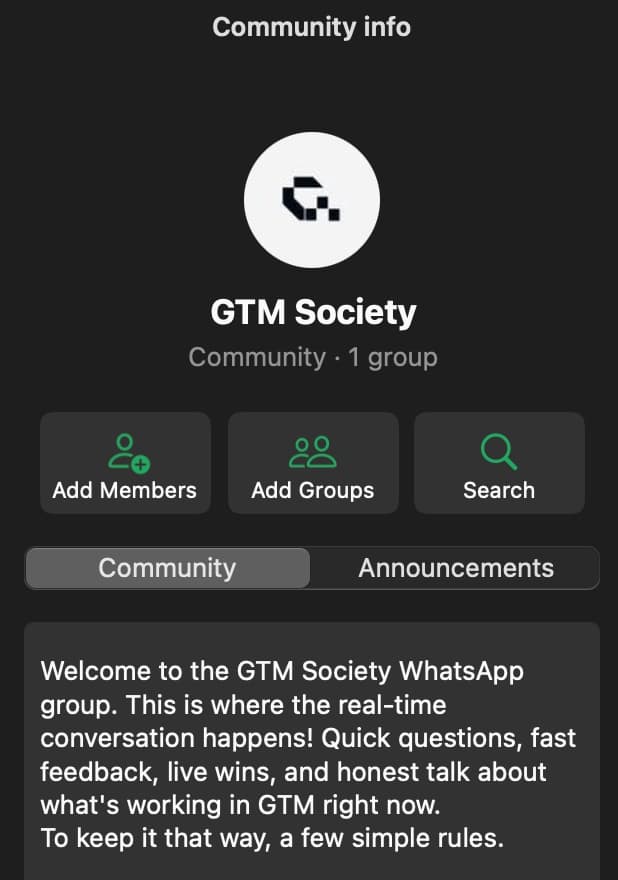
The learning doesn’t stop with the course. GTM Society runs on Slack, where daily conversations happen between practitioners solving real problems in real time.
When you join, you land in #welcome where you get an onboarding guide and an Expandi setup video so you know how to engage from day one. #announcements keeps you updated on feature releases and partner news. #gtm-questions is where you post wins, challenges, and ask for advice on specific problems you’re facing. #playbooks is where members share automation templates they’ve built using Expandi, Clay, and other tools so you can copy what’s working instead of building from scratch.
#jobs-collabs connects you with GTM opportunities and partnerships. #expandi-support handles technical troubleshooting when you’re setting up campaigns. #introductions lets you share who you are and what you’re working on, so other members know your background. #copywriting is where you get feedback on campaign messaging before you send it to prospects. #feedback is where you share suggestions for improving both the community and Expandi’s product.
#shameless-plug gives you a designated space to share your business or content without cluttering other channels. #social-share is where you post LinkedIn content and ask for engagement from the community. #wins is where you showcase results you’re getting with Expandi so everyone can learn from what’s working for you right now.
This channel structure keeps signal high because every conversation has a clear home, which means you can find what you need without digging through noise.
Engagement rituals create consistent participation
Communities die when participation becomes sporadic and optional. We’re building engagement rituals that give you reasons to show up regularly.
Every Friday, we run “System Friday” where someone tears down a complete GTM system they’ve built, full tech stack, workflows, results, and lessons learned. You see exactly how practitioners are connecting tools and what’s actually working at scale. Monthly “Automation Challenges” give you prompts to build something then share what you created with the community so everyone learns from your build.
We host AMAs and webinars with top GTM leaders who are actively running successful motions, not retired executives selling consulting. You get direct access to people solving the problems you’re facing, with real answers based on what they’re testing right now.
Referral incentives reward you for bringing in other practitioners, you earn credits or free Expandi months when you invite people who actively contribute to the community.
14-day hands-on activation with Expandi
Theory doesn’t help you if you never implement it. When you join GTM Society, you get free access to Expandi’s workspace feature for 14 days so you can build your first automation alongside the course content and community support.
This hands-on activation means you’re not just learning, you’re doing. You set up your first campaign, test your messaging, get feedback from the community, and see results within your first week. By the time your trial ends, you’ve already built something that’s working instead of just taking notes on what you might try eventually.
Long-term vision builds something that lasts
GTM Society isn’t a three-month experiment. We’re building toward a “Certified Expandi GTM Operator” badge that recognizes practitioners who’ve mastered the full stack. We’re creating a Partner Directory that features agencies using Expandi, so you know who to work with when you need external help. We’re planning monthly live workshops via Zoom where you build GTM systems together in real time.
We’re also building a resource library with copy templates, workflow SOPs, and video walkthroughs so you have everything you need to implement what you learn without starting from scratch every time.
This is a multi-year commitment to building the place where modern GTM gets built, together.
What You’ll Get as a Member
The Modern GTM Engine course – A complete curriculum covering offer design, lead sourcing with Ocean.io, etc, enrichment with Clay, automation through Expandi, messaging frameworks, CRM integration, and scaling systems. Includes ready-to-use Clay tables and messaging templates you can implement immediately.
14-day free access to Expandi’s workspace feature – Build your first automation hands-on while you’re learning, not after you finish the course. You’re testing tactics and getting results within your first week instead of just taking notes.
Daily access to active practitioners in Slack – GTM engineers, sales professionals, lead gen specialists, and marketers who are running campaigns right now and willing to share what’s working. Post a question in the morning, get answers from people who solved that exact problem last week.
Weekly System Friday teardowns – See complete GTM systems from start to finish: tech stack, workflows, results, what broke, what they’d do differently. Copy what works instead of figuring it out from scratch.
Monthly Automation Challenges – Build something new using the tools in your stack, share what you created, learn from what everyone else built. You’re constantly expanding your skillset instead of using the same three automations forever.
AMAs and webinars with GTM leaders – Direct access to people running successful outbound motions at scale. Ask questions, get real answers, learn from practitioners who are actively in the trenches.
Partner directory and collaboration opportunities – Connect with agencies and consultants who are vetted by the community. Your next hire, partnership, or client opportunity comes through relationships you build here, not cold outreach to strangers.
Resource library that actually stays current – Copy templates, workflow SOPs, video walkthroughs that get updated as tactics change. You’re working with frameworks that are relevant now, not archived case studies from 2023.
Path to Certified Expandi GTM Operator – Recognition that proves you know how to build and scale modern GTM systems. This matters when you’re looking for new opportunities or trying to establish credibility with prospects.
The Future of GTM Is Collaborative

Solo execution is dead. You can’t stay ahead by grinding harder in isolation while the tactics you learned last quarter become obsolete and your competitors figure out what’s working faster because they’re learning from each other.
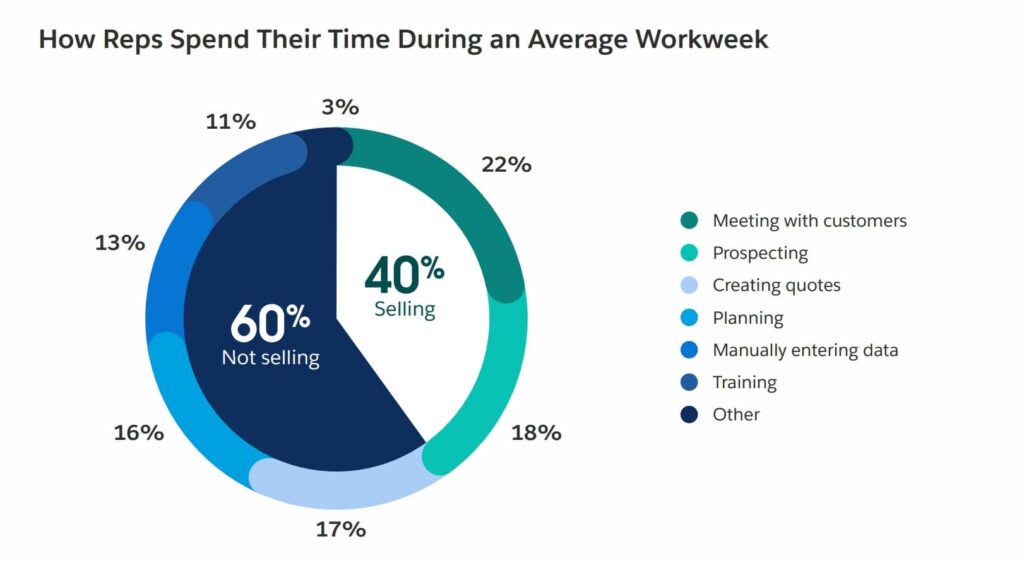
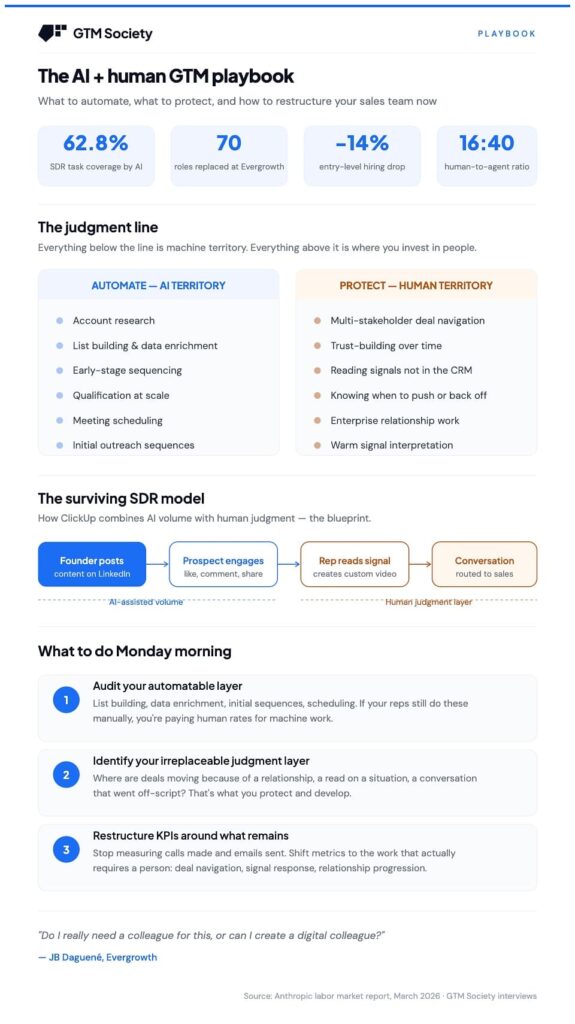
The best GTM teams learn in community because that’s the only way to keep pace when everything changes every three months. AI handles the repetitive work: scraping leads, enriching data, generating first drafts of copy. But AI can’t tell you which tactics are saturated right now, which messaging angles prospects are ignoring, or how to adjust your approach when LinkedIn changes their algorithm and your connection acceptance rate drops by half overnight.
Humans handle the strategy, the creativity, and the connections that actually move deals forward. You need other practitioners to reality-check your ideas, share what broke in their campaigns so you don’t make the same mistake, and tell you what’s working this week that wasn’t working last month.
When you learn from a hundred practitioners running parallel experiments across different industries and prospect types, you compress months of trial and error into days of focused execution. That’s how you stay relevant when everything else is changing around you.
You’ve made it all the way down here, take the final step