15 Cold Email Outreach Best Practices That Work in 2026

Key Takeaways
- Cold email outreach best practices in 2026 include: Focusing on systems instead of shortcuts, strong deliverability, narrow ICPs, high-quality lists, clear offers, thoughtful follow-ups, and smart multichannel sequencing with email and LinkedIn.
- Relevance beats volume. Smaller, well-targeted campaigns consistently outperform large, generic blasts and scale more safely over time.
- Your offer matters more than copy or AI tools. Personalization only works when it’s grounded in real ICP pain points and timing.
- LinkedIn and email work best together. When sequenced properly, they reinforce each other to increase familiarity, trust, and reply rates.
- Results compound over time. Cold outreach performs best when treated as an ongoing system, whether run in-house or through cold outreach services.
- To get started, most teams use a simple stack: LinkedIn Sales Navigator for building targeted lists, an email verification tool to keep data clean, and Expandi to run coordinated email + LinkedIn outreach in one system.
Inbox competition is brutal in 2026. Spam filters are smarter than ever, and prospects are more skeptical than they’ve ever been. And with so many AI tools on the market, it’s easier than ever to spin up a tool, import a list, and start blasting cold emails and LinkedIn DMs the very same day.
That’s why copying a few templates or increasing email volume doesn’t work anymore. And why “just send more emails” is outdated advice in 2026.
In 2026, cold email outreach best practices focus on the right systems. As there is no shortcut or “one-size-fits-all” AI solution.
Over at Expandi, after sending millions of cold outreach messages across emails, LinkedIn DMs, and other channels, we’ve seen first-hand what works and what kills campaigns.
So, in this guide, we break down cold email outreach best practices the way top-performing teams use them: grounded in deliverability, relevance, offer clarity, and smart multichannel execution.
Whether you’re:
- Running cold outreach in-house.
- Evaluating cold outreach marketing services.
- A small business looking for affordable cold outreach services.
- Or combining cold email outreach with LinkedIn cold outreach.
Here’s what we’ll cover:
- How does cold email outreach work in 2026?
- 15 Best practices to get your cold outreach right.
- 3 Other things to consider before scaling your cold outreach in 2026.
What Makes Cold Email Outreach Work in 2026?
Cold email outreach in 2026 looks nothing like it did a few years ago.
What worked when inboxes were quieter and spam filters were less aggressive will now get you ignored. Or worse, flagged and reported for spam.
Today, successful cold outreach isn’t about sending volume, clever wording, or finding the “perfect” AI tool. Instead, you need the right system that earns attention instead of forcing it.
So, before we cover some cold email outreach best practices, let’s take a look at the situation in 2026 first.
Cold email outreach is no longer a single-channel game
Cold email doesn’t live in isolation anymore.
Most prospects are active across multiple platforms at once: Email, LinkedIn, company websites, and content feeds. When your outreach exists in only one channel, it feels disconnected and easy to ignore.
That’s why modern cold outreach blends cold email outreach with LinkedIn cold outreach, using each channel for what it does best:
- Email for direct, scalable outreach.
- LinkedIn for credibility, context, and light-touch follow-ups.
McKinsey found that while B2B buyers used around five channels in 2016, they now regularly use ten or more channels to interact with suppliers.
When done right, LinkedIn can support cold email outreach. Simple actions like viewing a prospect’s LinkedIn profile or appearing in their notifications can make your outreach feel familiar and real.
Relevance beats volume every time
In 2026, relevance is the real deliverability hack.
Spam filters now measure engagement signals far beyond opens. If recipients don’t reply, don’t click, or delete your emails immediately, inbox providers take note. Sending more emails can only accelerate the damage.
High-performing cold email outreach focuses on:
- ICP definitions.
- Smaller, more targeted lists.
- Messaging that clearly answers “why you, why now?”.
This is especially important for cold outreach services for small businesses, where burning a domain or inbox can be far more costly than for larger teams with multiple sending infrastructures.
Your offer matters more than your copy
Most cold email advice obsesses over subject lines, email copy, or personalization.
But in 2026, no amount of clever copy can save a weak offer or bad targeting.
The teams getting replies and following cold email outreach best practices are presenting:
- A clear problem the prospect already cares about.
- A specific outcome (not a vague benefit).
- A believable mechanism for how they help.
This is one of the biggest gaps between average campaigns and those run by experienced teams or strong cold outreach marketing services. Copy amplifies an already existing offer.
Systems beat tools (even AI tools)
AI has lowered the barrier to entry for cold outreach and raised the bar for doing it well.
AI sales tools can help you:
- Send messages at scale.
- Personalize faster.
- Analyze performance.
But they can’t:
- Fix poor targeting.
- Define your ICP for you.
- Create relevance out of thin air.
That’s why the most effective cold email outreach in 2026 is built on repeatable systems:
- Infrastructure.
- Targeting.
- Offer design.
- Sequencing.
- And iteration.
AI can support those systems, but it won’t replace them fully.
Cold outreach is a long game, not a one-off campaign
Finally, cold email outreach works best when it’s treated as an ongoing process, instead of a single, one-time launch campaign.
Top-performing teams continuously:
- Test messaging and offers.
- Monitor reply quality, not just reply rate.
- Adjust sequences based on real feedback.
This mindset shift is what separates sustainable outreach from short-lived spikes. And why many businesses turn to cold email outreach services when they want consistency instead of guesswork.
That’s especially important in 2026, because traditional metrics like open rates are increasingly unreliable.
As HubSpot has pointed out, inbox privacy changes (like Apple Mail Privacy Protection) mean opens no longer reflect real engagement, making them a poor signal to optimize around.
With Apple Mail now representing 46% of email clients, inbox privacy changes have artificially inflated open rates. As a result, many email teams now prioritize clicks, replies, and conversions over opens when measuring performance.
That said, below are the cold email outreach best practices that matter in 2026. Starting with the foundation most campaigns get wrong before they ever send a single email.
15 Cold Email Outreach Best Practices to Get Outreach Right in 2026
These best practices cover the full cold outreach lifecycle.
From deliverability and infrastructure, to targeting and offer design, to sequencing, multichannel execution, and performance measurement. Skipping any one of these can create friction that compounds as you scale.
1. Get deliverability right before you send anything
Deliverability is the foundation of cold email outreach in 2026. If inbox providers don’t trust your domain, your emails won’t reach the primary inbox, no matter how good your copy is.
At a minimum, your outreach domains must be properly authenticated with SPF, DKIM, and DMARC.
In simple terms:
- SPF tells inbox providers which servers are allowed to send emails for your domain.
- DKIM verifies your emails haven’t been altered in transit.
- DMARC tells providers what to do if those checks fail.
Missing or misconfigured authentication is one of the fastest ways to land in spam, especially for cold email.
The exact steps depend on your domain host and DNS setup. For example, if you’re using Namecheap, they have documentation that walks through SPF, DKIM, and DMARC setup step by step.
You can read that step-by-step here.
2. Use dedicated domains and inboxes for cold outreach
Never send cold emails from your main company domain.
If your primary domain is yourcompany.com, you should run cold outreach campaigns from a separate but related domain. Such as tryyourcompany.com or yourcompanyhq.com.
This protects your core brand if a campaign underperforms or gets flagged.
The basic setup looks like this:
- Main domain: yourcompany.com
- Outreach domain: tryyourcompany.com
- Outreach inboxes: [email protected], [email protected]
Then, to keep things trustworthy, most teams simply redirect the outreach domain to the main website. If someone clicks through, they still land on your real site without exposing your primary domain to outreach risk.
3. Warm up gradually and send like a human
Even with the right domains, inboxes will fail if you send too much, too fast.
New outreach inboxes need time to build a sending reputation. Jumping straight to high daily volume is one of the fastest ways to land in spam, especially in 2026.
A simple, safe warm-up approach looks like this:
- Start with 5-10 emails per inbox per day.
- Increase volume slowly every few days.
- Keep sending consistent day to day (no big spikes).
Just as important is how you send. Inbox providers look for human-like patterns:
- Reasonable gaps between emails.
- No identical messages sent at the exact same time.
- Replies and engagement mixed into sending activity.
If your inbox suddenly starts firing off dozens of emails an hour with zero replies, filters will notice.
The goal during warm-up is stability. Once inboxes show consistent, healthy engagement, you can safely scale volume without burning them.
For a detailed overview of this, including some tools you can use to do this automatically, see our full guide on email warmup.
4. Start with a narrow, well-defined ICP
Most cold outreach fails because it tries to speak to too many people at once.
In 2026, broad targeting kills relevance and deliverability. The more generic your audience, the more generic your message – and the faster prospects ignore it.
A strong ICP goes beyond job title. It includes:
- Industry or niche.
- Company size or revenue range.
- Role and responsibility.
- A specific problem you actually solve.
For example, “Founders at B2B SaaS companies with 10-50 employees struggling with outbound” is more actionable than “SaaS founders” or “Heads of Sales.”
Narrow ICPs lead to:
- Higher reply quality.
- Better engagement signals.
- Safer scaling as volume increases.
You can use LinkedIn Sales Navigator to define and pressure-test your ICP before you ever send a message. Start by layering a few core filters such as industry, company size, seniority, and role – and see how the results change as you narrow.
If your search returns tens of thousands of people, your ICP is too broad. If you can’t find enough leads to run a campaign, it’s likely too narrow or poorly defined. Sales Navigator forces you to be specific, which makes your outreach more relevant and easier to personalize.
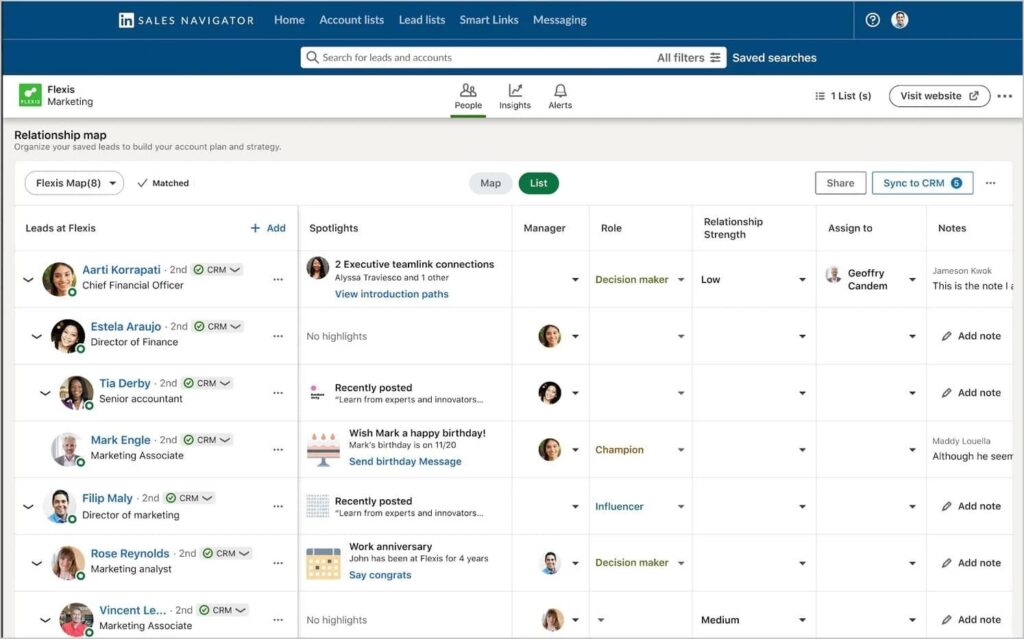
For a more detailed overview on how to get the most out of this, see our full guide on LinkedIn Sales Navigator filters.
5. Prioritize list quality over list size
In cold outreach, who you email matters far more than how many people you reach.
Large, generic lists usually lead to low engagement, fast deletes, and poor reply quality. All of which hurt deliverability over time. Smaller, well-curated lists meanwhile generate replies, signal relevance to inbox providers, and scale more safely.
List quality means:
- Accurate, up-to-date, and verified contact data.
- People who actually match your ICP.
- Roles with real buying influence or context.
If you’re choosing between a list of 10,000 “maybe relevant” leads and 500 highly qualified ones, the smaller list will almost always outperform, especially in 2026.
This is also why strong cold email outreach services obsess over data hygiene. Bad lists just waste time and damage future campaigns.
To speed this up, you can use tools like Expandi to scrape LinkedIn search results, events, groups, or Sales Navigator filters and create an omnichannel outreach list in minutes. Then, you can export the list as a CSV or create omnichannel campaigns directly from the same place.
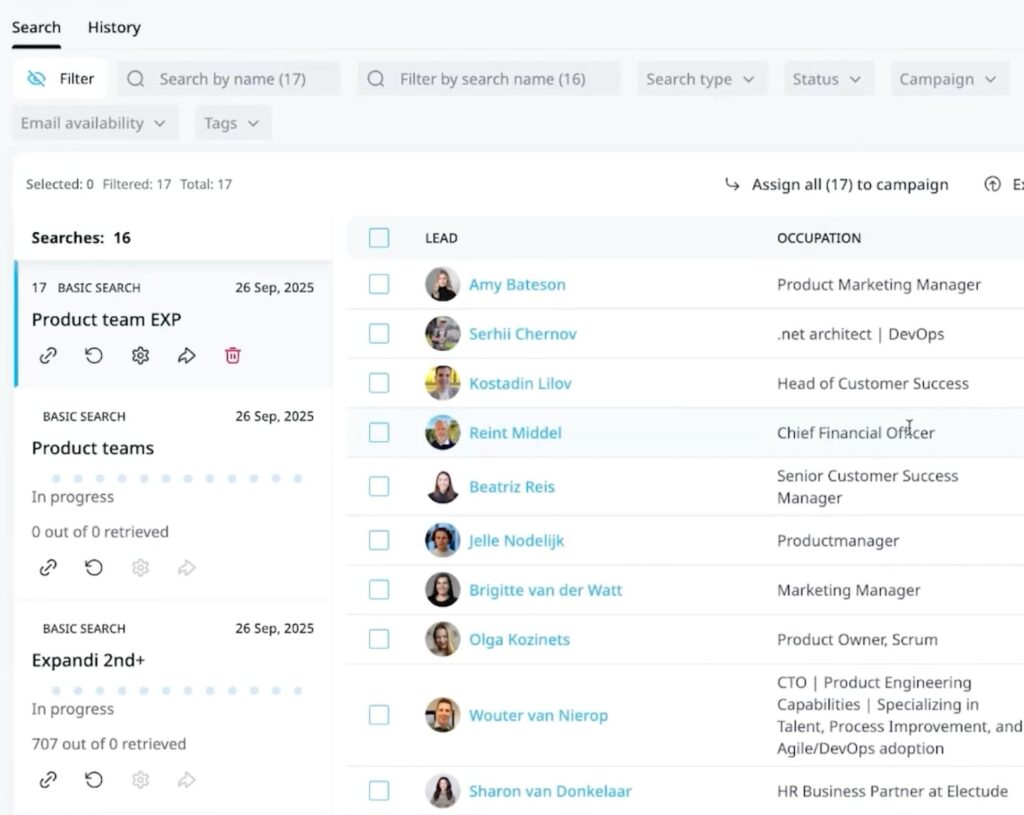
See our guide on building a prospect list for more info on this.
6. Use timing and context to create relevance
Relevance here means when and why you reach out.
Cold emails perform best when there’s a clear reason for the outreach right now. Without timing or context, even well-written messages feel random and easy to ignore.
Simple context signals that work well in 2026 include:
- Recent job changes or promotions.
- Company growth signals (hiring, expansion, new roles).
- Content engagement or profile views on LinkedIn.
- Clear shifts in the company’s stage or focus.
You can surface many of these signals directly in LinkedIn Sales Navigator by filtering for recent job changes, seniority shifts, company headcount growth, or people newly active in role.
You don’t need deep “hyper-personalization,” or to mention something specific they made a LinkedIn post about 2 weeks ago. Even a light reference to why you’re reaching out now makes your message feel intentional instead of automated.
This is where cold outreach starts to feel familiar and where reply rates usually jump without increasing volume.
7. Build an offer people want to reply to
No amount of clever copy can save a weak offer.
In 2026, most cold emails fail not because they’re badly written, but because they don’t give the recipient a compelling reason to respond. If your message sounds like it could be sent to anyone, it will be ignored by everyone.
A strong cold outreach offer is:
- Specific to the ICP you’re targeting.
- Problem-aware, not feature-focused.
- Clear about the outcome and/or risk reversal.
For example, “Helping B2B SaaS founders book 10 qualified demos per month without hiring SDRs” is far more compelling than “We help companies grow faster with outbound.”
8. Write emails that sound human, not “optimized”
Many cold emails fail because they sound like they were written for an algorithm.
Over-optimized emails, packed with buzzwords, templates, and forced personalization, are easy to spot in 2026. Prospects skim them once, recognize the pattern, and move on.
Emails that get replies tend to:
- Use simple, conversational language.
- Get to the point quickly.
- Sound like something a real person would actually send.
This doesn’t mean being sloppy or unprofessional. It means writing the way you’d speak if you were reaching out one-to-one.
If your email reads like marketing copy or a sales deck slide, it’s probably too polished to feel genuine and that’s usually what kills replies.
9. Keep cold emails short and focused
Attention is the real bottleneck in cold outreach.
In 2026, most prospects scan emails in seconds. Long introductions, unnecessary personalization, or layered CTAs create friction and give people more reasons to ignore the message.
High-performing cold emails usually:
- Stick to one clear idea.
- Explain the value in a few sentences.
- End with a simple, low-friction CTA.
If your email needs scrolling to understand, it’s probably too long.
The goal isn’t to close the deal in one email, but to start a conversation. Once that happens, you earn the right to say more.
10. Use follow-ups to create familiarity
Woodpecker found that campaigns with no follow-up average ~9% reply rate, but adding at least one follow-up lifts it to ~13%.
In 2026, effective follow-ups mean reminding prospects you exist and giving them another chance to engage when the timing is better.
Strong follow-ups:
- Add light context or clarification.
- Reference the original message without repeating it.
- Keep the tone neutral and low-pressure.
Avoid “just bumping this” messages or aggressive countdown language. That kind of pressure feels automated and usually backfires. Instead, focus on providing more value in the form of relevant case studies, helpful guides, or even a quick Loom.
11. Support cold email with LinkedIn touchpoints
Cold email works better when it doesn’t feel completely cold.
In 2026, the highest-performing campaigns use LinkedIn to create light familiarity before or alongside email outreach. Simple touchpoints like viewing a profile or sending a connection request make your name recognizable when the email lands.
For example, email carries the message, and then you provide context and social proof on LinkedIn.
A quick profile view or connection request on LinkedIn before a follow-up email can increase recognition without adding pressure. When prospects see your name twice in a natural way, your outreach feels more real.
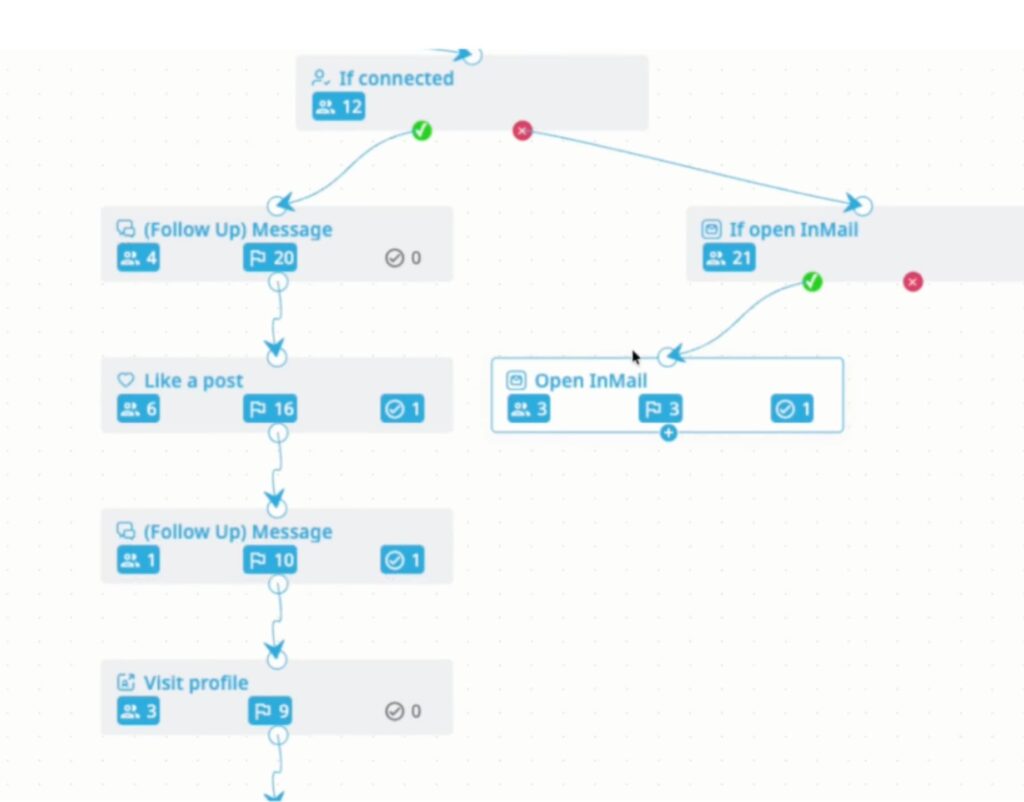
Pro tip: You can use tools like Expandi to set up omnichannel outreach with multiple touch points, after scraping contact info, all in one place, with “if-this-then-that” flows.
12. Optimize for replies and conversions instead of opens
Open rates are no longer a reliable indicator of success in 2026.
With inbox privacy features inflating opens, optimizing around them leads teams in the wrong direction. A campaign can look “successful” on paper while producing low-quality replies, or none at all.
What actually matters now for cold email outreach:
- Reply rate (are people engaging at all?).
- Reply quality (are they the right people, with real intent?).
- Conversions (booked calls, demos, next steps).
High-performing teams treat opens as a directional signal at best instead of a real KPI.
Decisions are made based on conversations started and outcomes achieved. This shift is critical in cold email outreach best practices if you want a system that scales sustainably instead of producing misleading spikes.
13. Treat cold outreach as a system instead of a one-off campaign
Cold outreach breaks when it’s treated like a launch instead of a process.
One campaign, one list, one sequence, then moving on, is how teams end up with inconsistent results and no idea what actually worked. In 2026, sustainable cold email outreach comes from systems that compound over time.
High-performing teams constantly:
- Run outreach continuously, not a one-off campaign per month.
- Test small changes instead of overhauling everything at once.
- Learn from real conversations and feed that insight back into targeting, offers, and messaging.
This systems mindset is also why results improve over time. Each campaign makes the next one better with stronger ICPs, clearer offers, and safer scaling.
It’s also the point where many teams decide to bring in cold email outreach services. Not because they can’t send emails themselves, but because they want a repeatable, optimized process instead of guesswork.
When cold outreach is built as a system, results stop being random and start being predictable.
14. Consider cold email outreach services vs DIY
Not every team should run cold outreach in-house.
DIY makes sense when you’re early, testing an ICP, or want to deeply understand your market.
It’s slower, but you learn fast. The tradeoff is time, experimentation, and occasional mistakes, especially around deliverability and data quality.
Cold email outreach services make more sense when:
- You already know your ICP and offer.
- You want consistent volume without building infrastructure yourself.
- You don’t want to risk burning domains through trial and error.
That said, not all services are equal. Affordable cold outreach services often cut corners on data quality, inbox setup, or personalization, which can do more harm than good.
Whether you go DIY or use a service, the key is ownership. You should understand the basics of deliverability, targeting, and measurement well enough to spot red flags and make informed decisions.
For more info on this, as well as an overview of the pricing and how they work in detail, see our guide on lead generation companies.
15. Set clear expectations for results and timelines
Finally, another reason cold email outreach often fails is because expectations are wrong.
In 2026, even well-run cold email outreach takes time to stabilize. Domains need to warm up, inboxes need to build trust, and messaging needs real-world feedback before it consistently converts.
High-performing teams set expectations early:
- The first weeks are for learning, not scaling.
- Reply quality improves before volume does.
- Results compound as targeting, offers, and sequencing improve.
This matters even more for small teams or businesses using cold email outreach services. Campaigns often get killed too early or scaled too fast, before the system has a chance to work.
Cold outreach performs best when it’s treated like a system you refine over time, not something you can judge the results of in a week.
What Else to Consider When Scaling Cold Outreach in 2026
Best practices set the foundation, but execution is where most cold outreach programs succeed or fail.
In 2026, scaling cold outreach isn’t just about sending more messages. As covered above, how you sequence channels, how much you automate, and which AI email tools you rely on can either reinforce your system or quietly break it. The key is making sure everything supports your outreach strategy instead of replacing it.
Here are three other things to consider in your cold email outreach best practices once the fundamentals are in place.
Multichannel sequencing (email + LinkedIn)
Cold outreach works best when email and LinkedIn are used together.
Email is still the primary conversion channel, but LinkedIn adds familiarity and context. Simple touchpoints like viewing a profile or sending a connection request can make your email feel more recognizable when it lands.
This is where tools like Expandi make multichannel sequencing easier to execute without duplicating effort.
For example, you can set up a flow where prospects receive an email first, then get a LinkedIn profile view or a connection request if they don’t reply, followed by a soft email follow-up once your name is already familiar.
Here’s what that looks like in Expandi.

The key is that each channel plays a different role. Email carries the message, LinkedIn builds recognition, and automation simply coordinates the timing.
Used correctly, LinkedIn can increase the odds of your emails getting read and replied to. Used poorly, it just adds noise and annoys prospects.
Personalization vs automation tradeoffs
In 2026, personalization isn’t about inserting someone’s first name or referencing a random detail from their profile. That kind of surface-level personalization is easy to automate and just as easy for prospects to ignore.
What actually drives replies is strategic personalization, built around:
- A clearly defined ICP.
- A real pain point that role cares about.
- Relevant context (timing, company stage, role responsibilities).
- A focused offer that directly addresses that pain.
For example, saying “Saw you’re the Head of RevOps at a X SaaS company…” is far less effective than anchoring your message around:
“Teams your size often struggle with X once they pass Y stage – especially when Z happens.”
That kind of personalization scales because it’s based on patterns and you knowing your audience.
This is where automation actually helps AND you don’t have to worry about manual personalization looking for unique info for each prospect.
As a rule of thumb, don’t personalize the person, but personalize the problem they’re likely dealing with.
Cold email outreach tool tech stack
To run cold outreach properly, you don’t need “more AI tools.” You need a simple stack that covers three jobs:
- Build a targeted list.
- Verify and clean the data.
- Launch and manage outreach campaigns.
Once the fundamentals are in place, execution comes down to using the right tools for the right job. You don’t need a massive stack, if anything that overcomplicates things and can go through your budget quickly.
Here’s a quick overview of the core tools most teams use when scaling cold outreach in 2026:
- Expandi – Run coordinated email + LinkedIn outreach in a single sequence, manage follow-ups, and centralize replies without duplicating effort
- LinkedIn Sales Navigator – Build and validate highly targeted lead lists based on ICP filters like role, industry, headcount, and seniority
- Mailgun – Verify email addresses and monitor deliverability to reduce bounces and protect domain reputation
- Smartlead – Manage multi-inbox cold email sending and scale volume safely
- Instantly – High-volume cold email campaigns with built-in warmup and deliverability controls
- Woodpecker – Simple, reply-focused cold email sequences for teams that want less complexity
Each of these tools specializes in a specific part of the workflow. List building, verification, or outreach execution. The key is choosing tools that support your system, not trying to replace strategy with software.
If you want a deeper breakdown of 20+ tools (categorized by outbound, lifecycle email, and deliverability), you can check the full list of using AI for email marketing.
Cold Email Outreach Best Practices: FAQs
Yes, when it follows modern cold email outreach best practices.
Cold email outreach still works in 2026, but only when it’s built around deliverability, relevance, and systems. Generic templates, high-volume blasting, and poor targeting don’t work anymore. Campaigns that combine clean infrastructure, a clear ICP, a strong offer, and thoughtful follow-ups continue to generate consistent replies and meetings.
It depends on time, experience, and risk tolerance.
Cold outreach services for small businesses can make sense if you don’t want to manage domains, inbox warm-up, data quality, and sequencing yourself. DIY outreach works when you’re early and want to learn, but it takes time and experimentation. Many small teams start DIY, then move to affordable cold outreach services once they want consistency without burning internal resources.
They can be, but only if you know what you’re buying.
The best cold email outreach services focus on infrastructure, targeting, and iteration, not just sending emails. When reviewing providers, look beyond volume promises and check how they handle deliverability, data quality, and reply management. Poorly run services often inflate sends while quietly damaging domain reputation, which is why cold email outreach services reviews matter before committing.
LinkedIn and email work best together. LinkedIn builds familiarity and trust, while email drives direct conversations and conversions.
Ideally, you want to be using both in 2026. Email can remain the primary conversion channel, while LinkedIn adds familiarity and context. Simple touchpoints on LinkedIn like profile views or connection requests can increase recognition before or between emails. When sequenced properly, LinkedIn cold outreach reinforces email instead of duplicating it.
Where to Go From Here
Cold email outreach in 2026 is different now. You can’t just install an AI app, look up templates, and start sending the same day like before.
It’s about building a system you can trust.
If there’s one takeaway from these cold email outreach best practices, it’s this:
Results come from getting the fundamentals right first (deliverability, targeting, relevance, sequencing) and then scaling deliberately. Tools, automation, and even cold outreach marketing services only work when they’re supporting a clear strategy, not replacing it.
From here, your next steps should be practical:
- If you’re early, start small. Tighten your ICP, test offers, and validate replies before scaling volume.
- If you’re already sending, audit your infrastructure, data quality, and sequencing before adding more tools or inboxes.
- If time or consistency is the bottleneck, explore cold outreach services. But only once you understand what “good” actually looks like.
For teams combining cold email outreach with LinkedIn cold outreach, multichannel execution is where compounding starts to happen. When email carries the message, and LinkedIn builds familiarity, reply rates improve without increasing risk.
And if you’re looking to execute this with fewer moving parts, platforms like Expandi exist to coordinate email and LinkedIn outreach inside one system. So that you can focus on relevance and conversations.
Get the system right, and outreach remains one of the most predictable ways to start B2B conversations in 2026.
For more info – see if Expandi is right for you or claim your free, 14-day trial here.



You’ve made it all the way down here, take the final step